Research and development of high-performance geotextiles
Research and Development of High-Performance Geotextiles
The research and development of high-performance geotextiles is crucial in advancing the field of geotechnical engineering and improving the durability, efficiency, and sustainability of infrastructure projects. Geotextiles, a category of synthetic fabric materials used in civil engineering applications, are critical for soil stabilization, erosion control, filtration, and reinforcement in construction projects. As the demand for more sustainable and effective solutions increases, the research and development of high-performance geotextiles are playing a vital role in shaping the future of civil engineering materials.
What Are High-Performance Geotextiles?
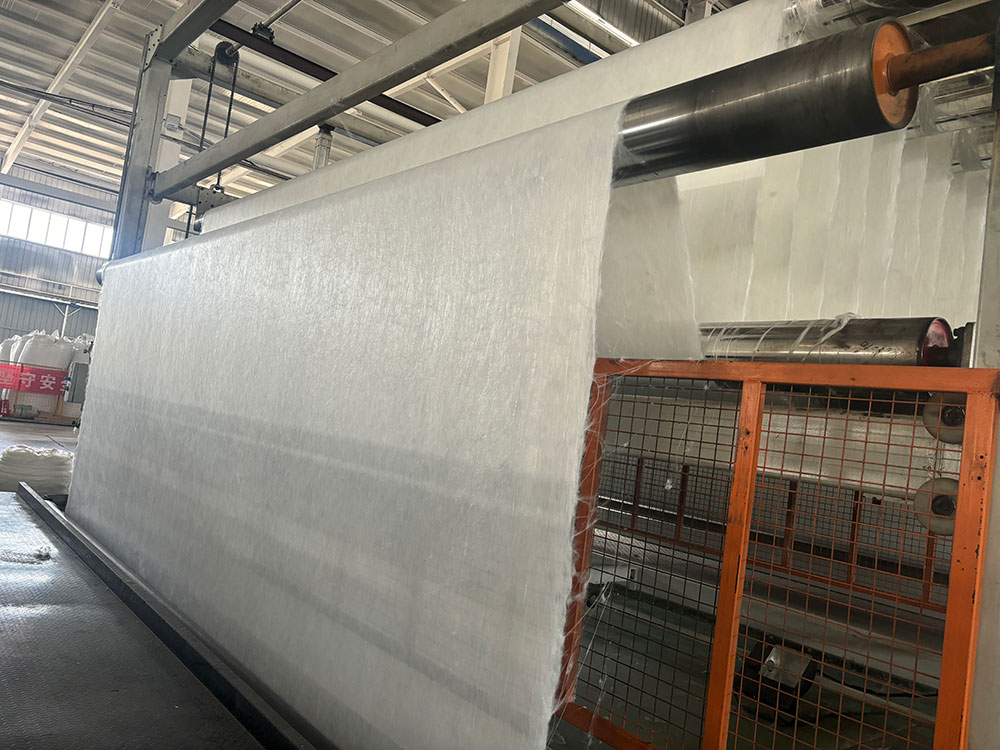
High-performance geotextiles are designed with enhanced mechanical properties, superior durability, and optimized performance in mind. These geotextiles are engineered for demanding applications, such as road construction, slope stabilization, erosion control, and waste containment. They offer increased tensile strength, superior filtration capabilities, and higher resistance to environmental stresses, ensuring long-term performance in challenging conditions.
The research and development of high-performance geotextiles focuses on improving the material's ability to resist wear and tear from UV radiation, chemicals, and physical stress, making them ideal for a wide range of environmental conditions.
Key Areas of Research in High-Performance Geotextiles
Material Composition and Synthesis
One of the central focuses of the research and development of high-performance geotextiles is the enhancement of the material composition. Traditional geotextiles are made from polypropylene, polyester, or polyethylene, but newer innovations include bio-based and eco-friendly fibers, such as natural fibers or recycled polymers. These materials are tested for their mechanical properties, including tensile strength, elongation at break, and resistance to degradation.Improved Durability and Longevity
Researchers are continually working to improve the durability of geotextiles to withstand extreme weather conditions, exposure to UV rays, and chemical degradation. The research and development of high-performance geotextiles now includes advancements in coating technologies that make the fibers resistant to environmental factors like heat, moisture, and industrial chemicals. This extends the service life of geotextiles, making them more cost-effective and reliable.Enhanced Functional Properties
The next significant area of research is enhancing the filtration, drainage, and separation properties of geotextiles. Geotextiles are crucial in preventing soil erosion while allowing water to pass through. The research and development of high-performance geotextiles is increasingly focused on improving the filtration efficiency and drainage capacity of the materials, ensuring they function optimally in high-flow and heavy-load conditions. Additionally, work is being done to enhance the separation abilities of geotextiles, which is vital in applications like road construction, where different layers of materials must remain separate.Eco-Friendly Geotextiles
Environmental sustainability is a major driver behind the research and development of high-performance geotextiles. The growing concern for environmental impact has led to the exploration of biodegradable, recyclable, and eco-friendly materials. These innovative geotextiles not only reduce the reliance on synthetic materials but also contribute to a greener, more sustainable construction industry.Smart Geotextiles
An exciting frontier in the research and development of high-performance geotextiles involves the integration of smart technologies. Sensors, fibers, and monitoring devices are embedded into geotextiles to provide real-time data on stress, temperature, moisture levels, and other environmental factors. This "smart geotextile" technology enables engineers to monitor infrastructure and make proactive maintenance decisions, improving safety and reducing long-term maintenance costs.
Applications of High-Performance Geotextiles
The research and development of high-performance geotextiles has led to several key innovations, making them indispensable in various industries:
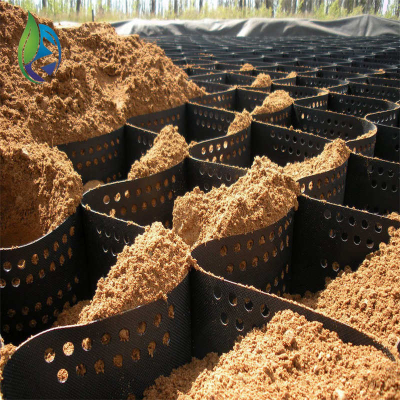
Road Construction: High-performance geotextiles are widely used for soil reinforcement, improving the load-bearing capacity of roads and highways. These geotextiles prevent soil erosion and enhance the stability of embankments and slopes.
Waste Management: Geotextiles are essential in landfills, acting as barriers for contamination control and preventing the leakage of hazardous materials into the surrounding environment.
Erosion Control: High-performance geotextiles are used in coastal areas, riverbanks, and hillsides to prevent soil erosion by stabilizing the ground and controlling sediment movement.
Drainage Systems: With their superior filtration and drainage capabilities, high-performance geotextiles are utilized in constructing drainage systems, septic tanks, and other applications where water flow control is necessary.
Future Trends in the Research and Development of High-Performance Geotextiles
As the demand for high-quality, sustainable solutions increases, the research and development of high-performance geotextiles will continue to evolve. Future trends may include advancements in multi-functional geotextiles that offer multiple benefits, such as enhanced UV protection, heat resistance, and filtration. There may also be further exploration of advanced manufacturing techniques like 3D printing and nanotechnology to enhance material properties at a molecular level.
Conclusion
The research and development of high-performance geotextiles represents a critical step toward the advancement of modern infrastructure and environmental protection. As the construction and geotechnical industries evolve, these geotextiles will play an increasingly important role in building more resilient, durable, and sustainable structures. Through continuous research and innovation, the future of geotextiles is poised to deliver solutions that meet the growing challenges of environmental and engineering demands.