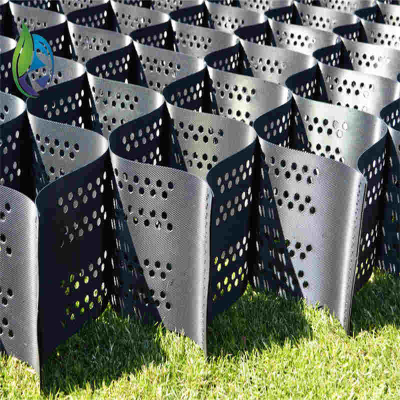
Application of drainage board in underground garage
In underground garage construction, effective drainage is crucial for preventing water accumulation, enhancing structural durability, and maintaining a safe environment. Drainage boards, made of high-density polyethylene (HDPE) or polypropylene (PP), are widely used to improve water management by facilitating efficient drainage and waterproofing. Their lightweight, high compressive strength, and excellent water filtration capabilities make them an ideal solution for underground structures.
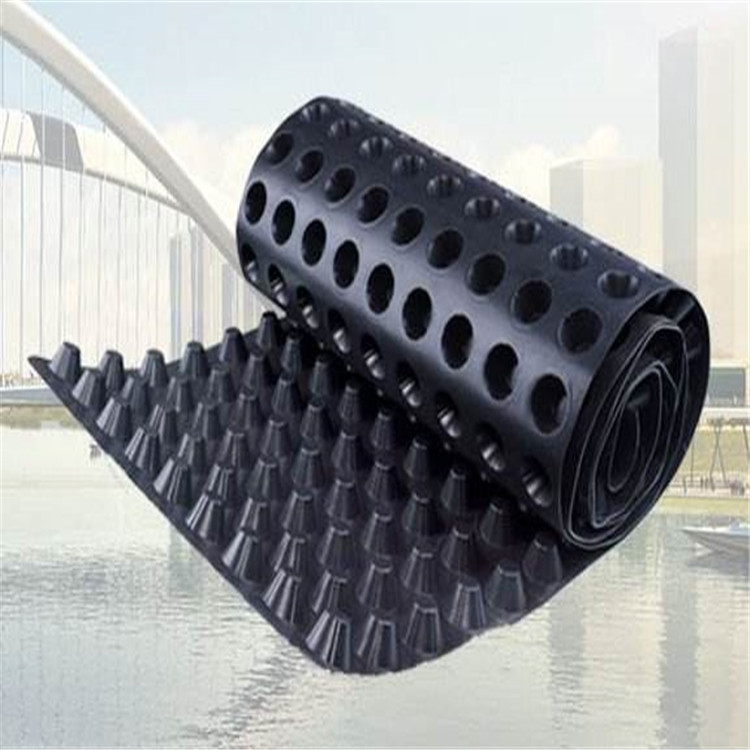
Functions of Drainage Board
Water Diversion and Drainage – The specially designed structure of the drainage board quickly channels excess water away from underground spaces, preventing waterlogging and hydrostatic pressure buildup.
Waterproofing Enhancement – By acting as a protective layer, the board reduces direct water contact with concrete surfaces, minimizing the risk of leaks and seepage.
Soil and Load Protection – The drainage board protects waterproof membranes from mechanical damage caused by soil pressure and construction activities.
Ventilation and Moisture Control – It helps in maintaining dry conditions by allowing moisture to escape, reducing humidity levels inside the garage.
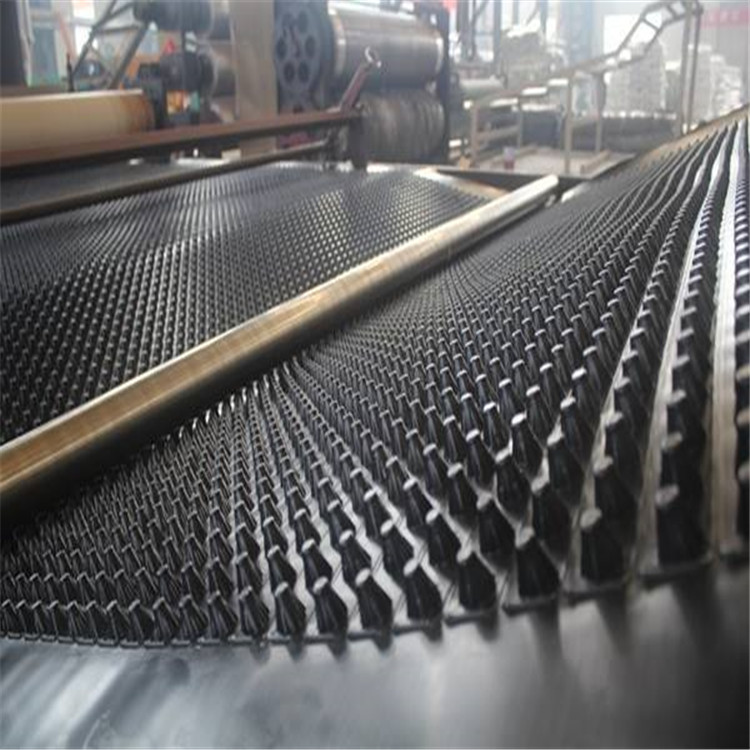
Applications of Drainage Board in Underground Garages
1. Basement and Floor Drainage Systems
Drainage boards are commonly installed beneath garage floors to prevent water accumulation. They create a channel for groundwater to be efficiently discharged into designated drainage outlets, reducing the risk of floor seepage.
2. Wall Drainage and Waterproofing
When installed along underground garage walls, drainage boards act as a protective barrier against water infiltration from surrounding soil. This prevents moisture-related issues such as wall dampness, mold growth, and structural deterioration.
3. Roof and Podium Drainage
In underground garages with green roofs or podium decks above them, drainage boards facilitate excess water drainage, preventing waterlogging and soil erosion. This ensures structural integrity while maintaining the aesthetics of rooftop landscaping.
4. Tunnel and Ramp Drainage
For underground garage tunnels and access ramps, proper drainage is essential to prevent water accumulation that can lead to slippery surfaces and vehicle safety hazards. Drainage boards efficiently channel rainwater and groundwater away from these areas.
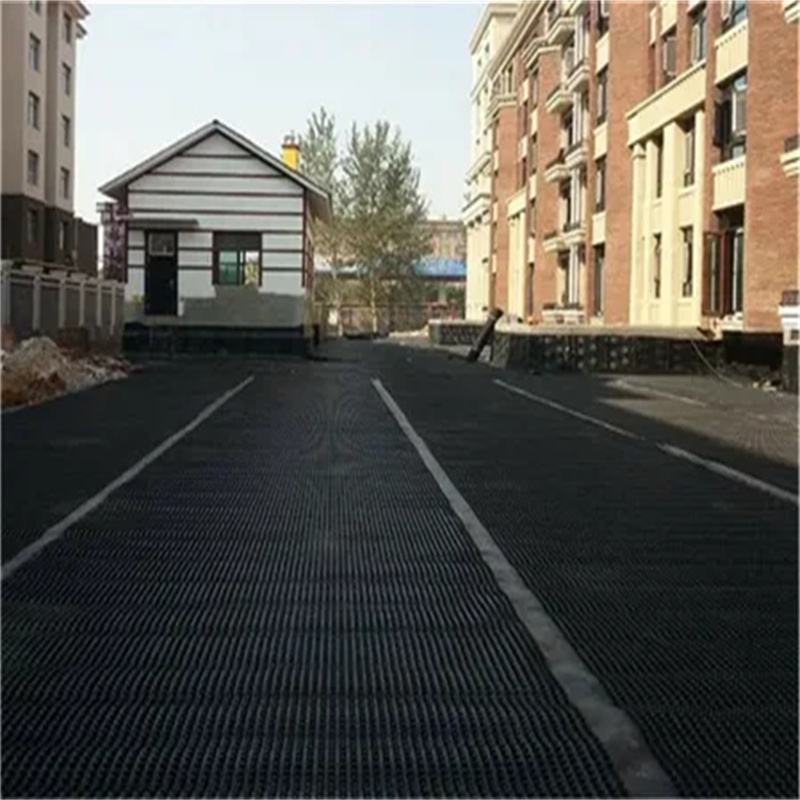
Advantages of Using Drainage Board
Efficient Water Management: Prevents water accumulation and reduces hydrostatic pressure.
Extended Structural Lifespan: Protects underground garages from water damage and deterioration.
Cost-Effective Solution: Reduces maintenance costs associated with waterproofing and repairs.
Easy Installation: Lightweight and flexible, making installation quick and efficient.
Eco-Friendly and Sustainable: Many drainage boards are made from recycled materials, promoting environmental sustainability.
Conclusion
The application of drainage boards in underground garages is essential for effective water management, structural protection, and long-term durability. By preventing water accumulation and enhancing waterproofing systems, drainage boards contribute to a safer, drier, and more resilient underground parking environment. As modern construction increasingly prioritizes sustainability and efficiency, drainage boards continue to play a vital role in ensuring the success of underground projects.