Stop Pond Seepage for Good: HDPE vs. LDPE Liners That Actually Last
Seepage is more than just “water loss.” In aquaculture, it drives up pumping costs, destabilizes water quality, and makes cleaning a nightmare. In irrigation reservoirs, it leads to unpredictable water levels and wasted storage capacity. A well-designed geomembrane system—built around the right HDPE geomembrane for ponds or LDPE pond liner, protected with geotextile, and welded correctly—delivers near-zero seepage and easier long-term operation.

Why geomembrane lining is the fastest path to stable ponds
When clients ask us about aquaculture pond seepage control, the underlying goal is usually simple: keep water where it belongs and keep management easy. A properly installed HDPE geomembrane for ponds or LDPE pond liner helps you:
- Slash pumping costs: Reduce make-up water demand and the energy bill that comes with it.
- Stabilize water quality: Limit soil-water interaction and uncontrolled infiltration that can throw off pH or introduce pathogens.
- Improve biosecurity: A smooth liner is far easier to wash, disinfect, and harvest on than an earthen bottom.
- Ensure longevity: Support long-term outdoor use with UV-stabilized formulations (we use Carbon Black 2%–3% and ensure OIT ≥ 100 min on our engineering grades).
HDPE vs. LDPE pond liner: what to choose (and why)
As a Jinan-based manufacturer serving pond projects across Shandong and beyond, we supply both HDPE geomembrane for ponds and LDPE pond liner systems. They are welded on-site using the same mainstream methods, but they behave differently in the field.
Practical differences that matter on real pond sites
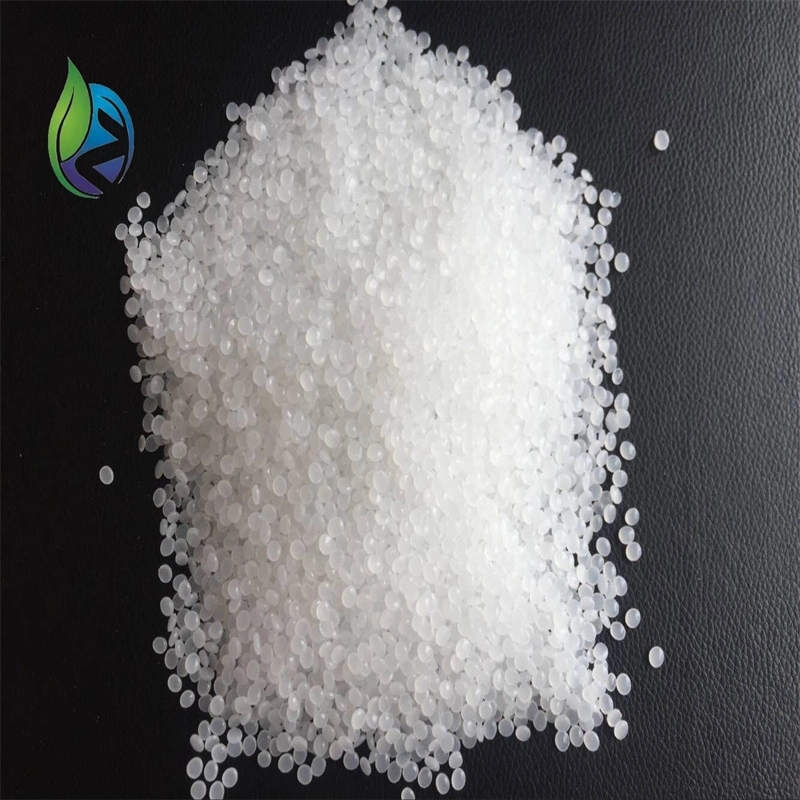
- HDPE geomembrane for ponds: Features higher density (≥ 0.94 g/cm³) and higher tensile strength at yield (≥ 15 MPa). It offers a long expected service life, commonly 30–50 years under typical exposure. It remains the top choice for deep earthen ponds and long-life irrigation reservoirs.
- LDPE pond liner (and LLDPE): Has lower density (about 0.915–0.930 g/cm³) but significantly higher flexibility. It is often preferred where settlement is expected, geometry is complex, or a more “forgiving” sheet is needed during installation.
Quick selection table (aquaculture + irrigation)
| Decision point | Choose HDPE geomembrane for ponds when… | Choose LDPE pond liner when… |
|---|---|---|
| Pond shape | Slopes are regular and seam layout can be planned cleanly | Pond is irregular, has many corners/penetrations, or complex tank geometry |
| Subgrade behavior | Subgrade is well-compacted and stable | Differential settlement is likely or subgrade is soft |
| Design life | You want maximum durability and robust outdoor performance | You prioritize flexibility and easier conformability |
| Typical thickness | 0.75–1.5 mm (common range) | 0.75–1.5 mm (common range) |
| Field joining | Hot wedge + extrusion welding | Hot wedge + extrusion welding |
Our field-ready recommendation
For most commercial ponds and reservoirs where strength and long design life are key, start with an HDPE geomembrane for ponds. However, for projects with expected ground movement, uneven terrain, or complex contours, shortlist an LDPE pond liner (or LLDPE) and invest in robust protection layers.
Pond liner thickness chart: a safe starting point for buyers
Thickness is where many projects succeed—or quietly fail years later. The right pond liner thickness chart must consider water depth, subgrade roughness, and how you will operate the pond (think equipment traffic, cleaning frequency, and disinfection routines).
Recommended thickness (typical aquaculture and farm ponds)
| Application | Recommended thickness | Protection layer (recommended) |
|---|---|---|
| Backyard / landscape pond (≤ 1.0 m) | 0.5–0.75 mm | 200–400 g/m² nonwoven geotextile underlay |
| Small commercial fish pond (1.0–2.0 m) | 0.75–1.0 mm (HDPE preferred) | 300–500 g/m² nonwoven geotextile underlay |
| Deep earthen fish or irrigation pond (> 2.0 m) | 1.0–1.5 mm (HDPE preferred) | 400–600 g/m² nonwoven geotextile; composite option on rough bases |
| Shrimp / nursery pond | 1.0 mm (HDPE or LDPE) | 300–500 g/m² nonwoven geotextile; smooth surface helps hygiene |
| Concrete/steel tanks | 0.75–1.0 mm (LDPE/LLDPE) | Geotextile at edges and joints (200–300 g/m²) |
If the subgrade is aggressive (angular stone risk, uneven compaction, or repeated maintenance work), a composite geomembrane structure can reduce puncture risk. We typically see configurations with geomembrane thickness between 0.3–1.5 mm combined with nonwoven geotextile mass of 200–800 g/m².
Layout and anchoring that reduces seam risk
For reliable irrigation pond liner installation (and aquaculture ponds), small layout choices make a big difference:
- Use wide rolls (typically 5–8 m) to drastically reduce the number of field seams.
- Plan panels so major seams avoid the most stressed areas, such as steep transitions and tight corners.
- Cut an anchor trench along the crest (often 0.3–0.5 m deep/wide) and backfill/compact to lock the edge securely.
- Manage temperature: let the liner relax before final welding to reduce wrinkles and thermal tension.
Geomembrane welding and testing: the on-site checklist that prevents leaks
Even the best HDPE geomembrane for ponds can fail if seam work is uncontrolled. In practice, seams are the highest-risk points, so geomembrane welding and testing must be treated as a complete system, not an afterthought.
Step 1: Subgrade preparation (do not skip)
- Trim to design slopes and remove roots, sharp stones, and debris.
- Compact the base and build smooth transitions at corners.
- Add a fine sand blinding layer where the soil is coarse or angular.
Step 2: Install the geotextile underlay
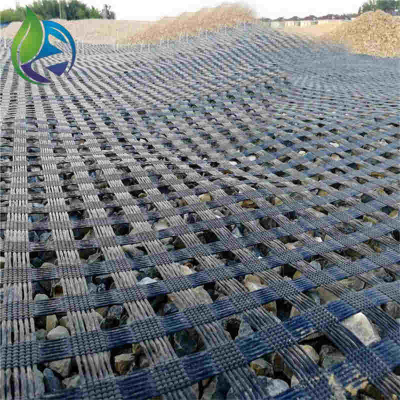
Place nonwoven geotextile directly on the prepared subgrade. Overlap adjacent rolls by 10–20 cm and use sandbags or pins to keep it stable against the wind.
Step 3: Deploy the liner panels
Avoid dragging sheets over rough ground. Keep overlap zones (typically 10–15 cm) clean and dry. Pre-plan T-joints and penetrations to minimize complicated weld geometry.
Step 4: Welding methods used in pond projects
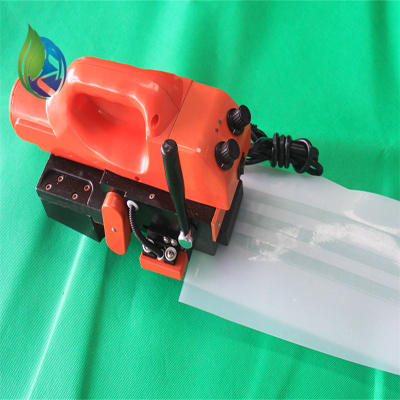
- Hot wedge welding (main method): Ideal for long straight seams; creates dual-track seams with an air channel for testing.
- Extrusion welding (detail method): Used for patches, repairs, corners, and penetrations; requires proper edge preparation.

Step 5: Non-destructive + destructive testing (field QA)
- Vacuum box testing: Uses soap solution + vacuum (commonly ≥ 50 kPa for at least 10 seconds) to visually detect leaks.
- Air-channel testing: Pressurize the dual-track channel and monitor for pressure drops.
- Destructive seam testing: Cut samples from trial seams or non-critical locations to verify shear/peel strength, then patch all cut-outs with welded repair patches.
Commissioning punch-list (use on every site):
- Subgrade inspected, compacted, and free of sharp objects
- Geotextile underlay installed and overlaps confirmed
- Liner type verified (HDPE geomembrane for ponds or LDPE pond liner)
- Thickness verified against the pond liner thickness chart
- Welding equipment calibrated; trial seams passed
- 100% of seams tested (vacuum box and/or air-channel)
- Destructive tests documented; repairs completed and retested
Procurement checklist: what to request before you place an order
A reliable liner is more than just “the right thickness.” Before purchasing an LDPE pond liner or HDPE geomembrane for ponds, ensure you request:
- Material specs: Type (HDPE/LDPE/LLDPE), surface (smooth or textured), color, and thickness.
- Aging resistance: Carbon black content (2%–3%) and OIT (≥ 100 min) are critical for outdoor longevity.
- Mechanical properties: Tensile strength, elongation, and engineering-grade puncture resistance.
- Sizing: Roll width/length options and prefabricated panel availability to reduce field seams.
- Test reports: Third-party verification for tensile, elongation, puncture, and aging.
- Installation support: Welding plans, operator guidance, QA records templates, and schedule feasibility.
For buyers sourcing in North China, production capacity and delivery time are not just “nice to have” details—they directly impact whether your pond is lined before the farming season begins.
Project snapshot: 1.5 mm HDPE liner with zero leakage after 4 years
In a recent commercial aquaculture project, a 1.5 mm HDPE geomembrane for ponds was installed over compacted soil with nonwoven geotextile protection. After four years of continuous operation, inspections confirmed zero leakage and stable water quality, fully meeting environmental and production requirements.
This outcome wasn't luck—it came from matching the right thickness to the pond, protecting the liner, and strictly enforcing geomembrane welding and testing protocols on site.
FAQ (answers buyers actually use)
What thickness is best for a commercial fish pond?
A common starting range is 0.75–1.5 mm. Use your pond liner thickness chart to finalize: deeper ponds, rougher subgrades, and higher operational intensity typically move the requirement toward 1.0–1.5 mm.
Is an HDPE geomembrane for ponds safe for fish and shrimp?
Yes. Our aquaculture liners are inert, non-toxic formulations designed specifically for long-term water containment without leaching harmful substances.
Do I really need geotextile under the liner?
For most earthen ponds, yes. Nonwoven geotextile greatly improves puncture resistance, protects seams from stress concentration, and extends the overall service life of the system.
How long will an LDPE pond liner last outdoors?
In agricultural use, 15–25 years is a common planning range, though this depends heavily on exposure, thickness, and installation quality.
Can geomembranes handle cold climates?
Yes. Typical service temperatures for our pond lining grades range from -40°C to +60°C. However, during installation, avoid extreme low ambient temperatures to maintain weld quality.
Next steps: get a project-specific recommendation
Whether your priority is aquaculture pond seepage control or irrigation pond liner installation, the fastest way to reduce risk is to share your pond depth, subgrade condition, and layout drawings. Our technical team can propose a project-specific pond liner thickness chart, recommend protection layers, and align welding/testing requirements.
Contact:
- E-mail: sale01@zygeosynthetics.com
- WhatsApp: +86 15615641112
- Contact person: Qiuy Lv