7 Steps to Evaluate Jinan Zhuyuan for Overseas EPC Geosynthetics Supply
Nonconforming geogrids, geotextiles, geocells, drainage products, or geomembranes can quietly reduce the safety margin of an EPC job—until rutting, slope damage, or unexpected settlement shows up on site. For overseas projects, a disciplined EPC supplier due diligence workflow is the most practical way to protect schedule, quality, and long-term performance.
Below is a clear seven-step approach you can use for geosynthetics supplier evaluation, along with how we (Shandong Zhuyuan New Materials Co., Ltd., often recognized by EPC buyers as Jinan Zhuyuan geosynthetics) support each step in day-to-day international cooperation.

Key terms EPC teams should align on early
To keep EPC supplier due diligence consistent across procurement, QA/QC, and site teams, we recommend aligning on a few definitions in the tender stage:
- MD / TD (Machine / Transverse Direction): For geogrids and geotextiles, MD is typically the primary tensile direction. MD misalignment can reduce reinforcement efficiency.
- Creep: Long-term deformation under sustained load. In reinforced soil structures, creep performance is often as important as short-term tensile strength.
- Junction efficiency: For geogrids, the strength of rib intersections relative to rib strength.
- CNAS / ILAC testing: Third-party labs accredited under CNAS or ILAC can issue internationally recognized test reports—an essential part of geosynthetics supplier evaluation.
Step 1 — Corporate and legal verification
Any EPC supplier due diligence process should begin with formal verification. For China-based suppliers, this step is quick but non-negotiable.
What to collect and cross-check:
- Business license and unified social credit code
- Registered legal representative and registered address
- Tax registration information
- Years in operation and registered capital
- Records in the China National Enterprise Credit Information system (abnormal operation, penalties, etc.)
- Any marketplace “verified” badges: always confirm with the original audit report or certificate
For Jinan Zhuyuan geosynthetics inquiries, we support buyers by providing scanned originals and helping procurement teams confirm that company name and address remain consistent across documents.
Step 2 — Production capacity and factory capability
Legal compliance alone does not keep an EPC schedule on track. The core question in EPC supplier due diligence is simple: Can the factory deliver your volume on time—without relaxing process control?
During geosynthetics supplier evaluation, your checklist should cover:
- A product-by-product capacity discussion (what can be produced simultaneously, what requires changeover)
- Equipment used for extrusion, cutting, welding, and in-house testing
- Lead time expectations for standard strengths and apertures vs. customized items
- Packaging method (wrapping, labels, palletizing) and container loading patterns
- The option for a live video walkthrough to confirm production activity
For projects requiring steady weekly deliveries (for example, subgrade reinforcement on long road packages), we recommend aligning the shipment rhythm with your construction milestones before PO release.
Step 3 — Quality systems and traceability
In overseas EPC delivery, “good material” is not only a datasheet claim. Robust EPC supplier due diligence looks for repeatability: stable raw materials, stable process, stable records.
During geosynthetics supplier evaluation, review these quality elements:
- Incoming raw material checks (resin grade, UV stabilizers, key additives)
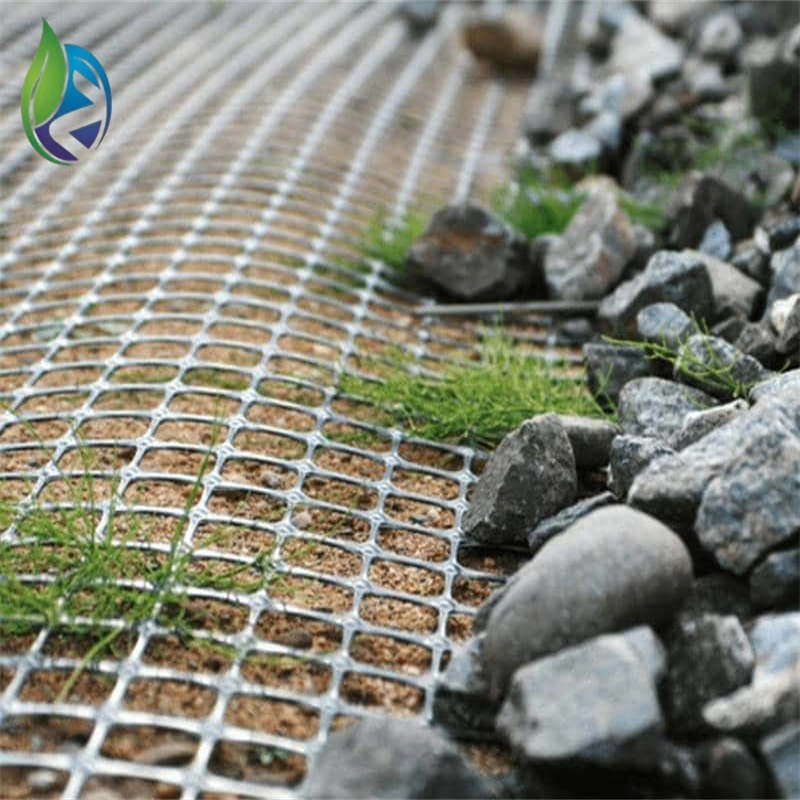
- In-process checkpoints (aperture size and rib thickness for geogrids; mass per unit area and thickness for geotextiles; weld integrity for geocells)
- Sampling plan clarity (per batch / per shift) and who signs off
- Batch coding and roll labels linking finished goods to production date, line, and QC records
- Nonconformance handling and corrective action records
On request, we coordinate roll-by-roll traceability discussions with EPC teams, so site inspectors can reconcile delivered labels with QC documentation.
Step 4 — Third-party testing and acceptance criteria
Independent testing is where EPC supplier due diligence becomes enforceable. For geogrids, geotextiles, geocells, drainage composites, and geomembranes, EPC specs commonly reference ASTM/EN/GB methods.
Typical verification items include:
- Wide-width tensile strength and elongation
- Creep performance under sustained load
- Junction efficiency (geogrids)
- Puncture/tear resistance (geotextiles and geomembranes)
- Weld or seam strength (geocells and geomembranes)
- UV aging / weathering resistance
Minimum good practice for geosynthetics supplier evaluation:
- Use CNAS / ILAC-accredited labs for reports intended for international submission
- Keep reports recent (commonly within 12–24 months) and clearly tied to the offered product grade
- For critical packages, arrange witnessed sampling/testing or independent production surveillance
A practical acceptance sequence many EPC contracts use:
Production sample → Accredited lab test → Pass → Site pilot installation → Owner/EPC acceptance → Bulk release
If this sequence is broken, bulk production should pause until test alignment is restored—an approach we support because it prevents costly downstream disputes.
Step 5 — References, export history, and “case mapping”
For international jobs, past export execution is a strong predictor of future performance. Solid EPC supplier due diligence asks for evidence you can actually validate.
What to request:
- Redacted invoices or shipping records for similar products (same type and strength class)
- Contactable references (EPC contractors, distributors, or end users—region-matched if possible)
- Photo-based case summaries with technical notes (subgrade conditions, installation approach, acceptance criteria)
To help buyers connect products to real EPC pain points, we typically map use-cases like this:
| EPC challenge | Typical solution set |
|---|---|
| Rutting and poor load distribution on haul roads | Biaxial geogrid; fiberglass geogrid for overlays |
| Slope instability on soft soil | Geocells + nonwoven geotextile separation/filtration |
| Vegetation failure on green slopes | 3D geomat for erosion control and root anchoring |
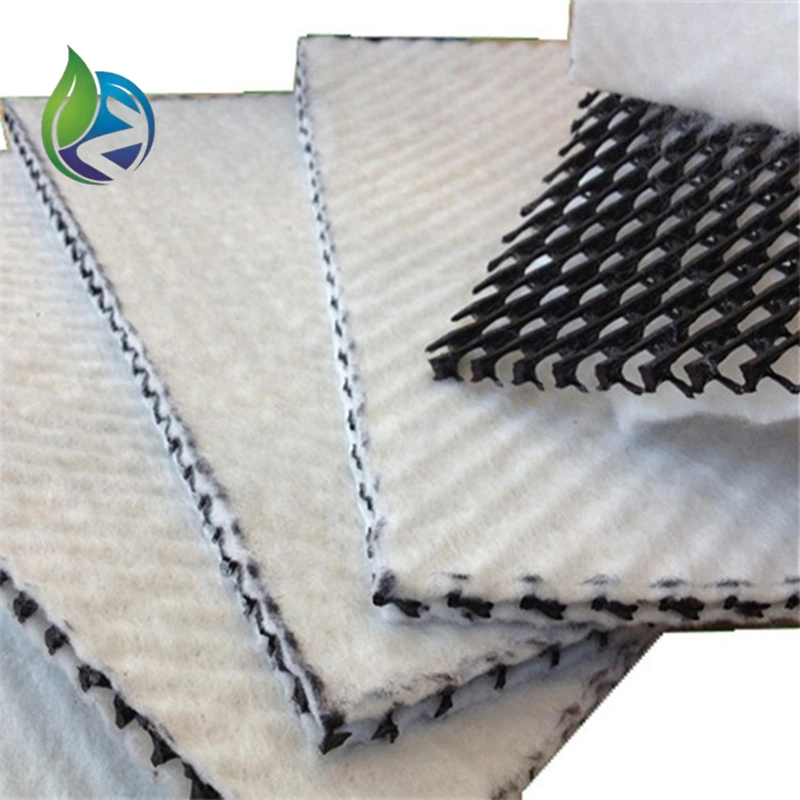
| Drainage pressure behind walls/structures | Composite drainage net; dimple drainage board |
| Leakage and environmental containment | HDPE geomembrane + protective geotextile |
This style of geosynthetics supplier evaluation reduces “paper compliance” and forces a practical fit check.
Step 6 — Logistics, packaging, and commercial readiness
On overseas EPC works, logistics is where suppliers often lose trust—even when the product is correct. Strong EPC supplier due diligence should treat logistics as part of quality.
Confirm in writing:
- Incoterms (FOB/CIF/DAP) and the shipping port plan
- Standard lead time and peak-season variations
- Mixed-container options and how roll IDs are maintained during loading
- Container loading supervision and photo records
- Export packaging requirements: roll protection, moisture prevention, and durable labels
- Required customs document set (invoice, packing list, certificate of origin, and requested test reports)
For drainage-focused packages, it is also helpful to confirm how products are bundled on pallets to minimize deformation during long-distance shipping.
Step 7 — Contractual risk controls that actually work
Even the best geosynthetics supplier evaluation cannot replace contract discipline. For overseas deliveries, contracts should “hard-code” risk controls so disagreements don’t become schedule delays.
Common EPC-friendly controls include:
- Staged payments tied to milestones (sample approval → pre-shipment inspection → BL copy → site acceptance)
- Retainage/holdback until on-site inspection confirms no major nonconformities
- Clear compensation rules for late delivery or off-spec material
- Warranty language that specifies replacement remedies and response timelines
- A written approval process for production samples (including test reports) before bulk release
When these controls are written clearly, EPC supplier due diligence becomes repeatable across projects and regions.
Quality control deep dive (the checks most teams miss)
If your project includes soft soils, heavy traffic, or long design life, this section should be part of your EPC supplier due diligence briefing to site teams.
- Tensile strength vs. creep performance
- MD alignment is not optional
- Overlap rules protect the interface
- Compaction quality controls interlock
- UV management during storage
Two quick EPC case snapshots
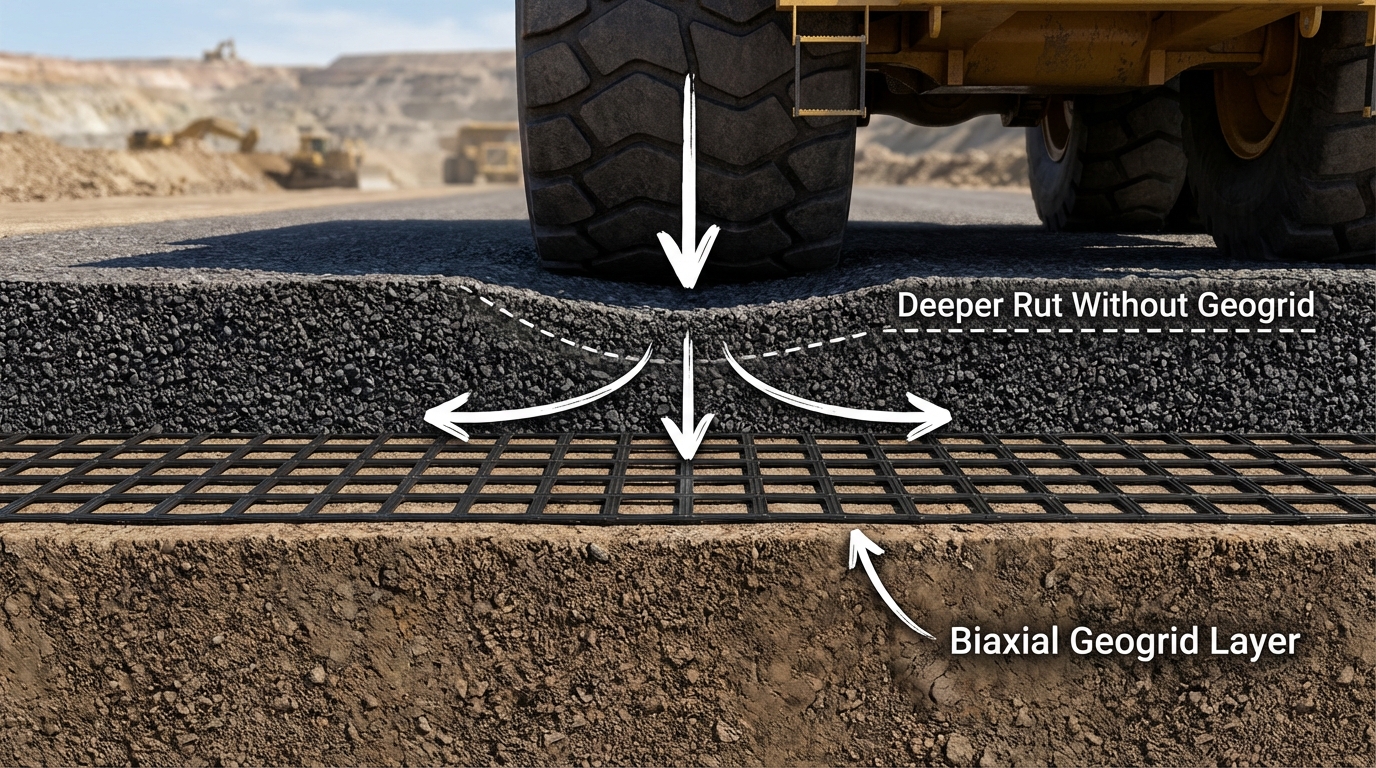
Case 1 — Mining haul road: rutting reduction
- Scenario: Weak subgrade under heavy haul traffic created deep ruts and frequent maintenance.
- Solution: Biaxial HDPE geogrid (~40 kN/m) installed between subgrade and aggregate.
- Result: Field observations indicated rutting reduced by over 35% and maintenance intervals extended.
- Site controls: MD aligned with traffic direction; overlap ≥30–40 cm; compaction ≥95% Proctor.
Case 2 — Mine re-greening: erosion control and root anchoring
- Scenario: Steep waste-rock slopes suffered erosion and vegetation failure.
- Solution: Nonwoven geotextile as separation/filter + 3D geomat for surface reinforcement.
- Result: Improved soil retention, stronger root anchoring, and more stable vegetation cover.
- Site controls: Careful anchoring at crest/toe; appropriate seeding and early-stage irrigation.
FAQ for overseas EPC procurement and QA/QC
Q1. Which standards can be used for acceptance?
ASTM, EN, and GB are commonly used across international EPC packages. The best approach is to lock the test standard and acceptance criteria into the PO and inspection plan.
Q2. Do you support third-party witnessed tests and inspections?
Yes. As part of EPC supplier due diligence, many clients appoint accredited labs for testing and firms such as SGS/Intertek for production monitoring or pre-shipment inspection.
Q3. What installation notes should be stated in contracts?
Unless design specifies otherwise: overlap ≥30–40 cm and compaction ≥95% Proctor, plus explicit MD alignment instructions.
Q4. Can you support customization?
Yes—strength, aperture, and roll size can be customized. Share drawings and performance requirements early so lead time and MOQs can be confirmed before tender freeze.
Moving from due diligence to stable supply
A structured EPC supplier due diligence process—legal verification, factory capability review, quality systems, third-party testing, references, logistics planning, and contract controls—reduces the risk of hidden defects and schedule shocks.
If your project involves road reinforcement, mining haul roads, drainage around structures, slope stabilization, or containment works, our product lines (geogrids, geotextiles, geocells, composite drainage nets, and HDPE geomembranes) are designed to address those field realities. For detailed specifications, please review our core products:
- Filament Nonwoven Geotextile
- Three-Dimensional Plastic Geomat
- Composite Drainage Net With 3D Drain Core